A Month of Learning Without Pressure: What Helped and What We Noticed
Learning does not need to feel like pressure. Here is a simple reflection on what helps children grow with more confidence and less stress at home.
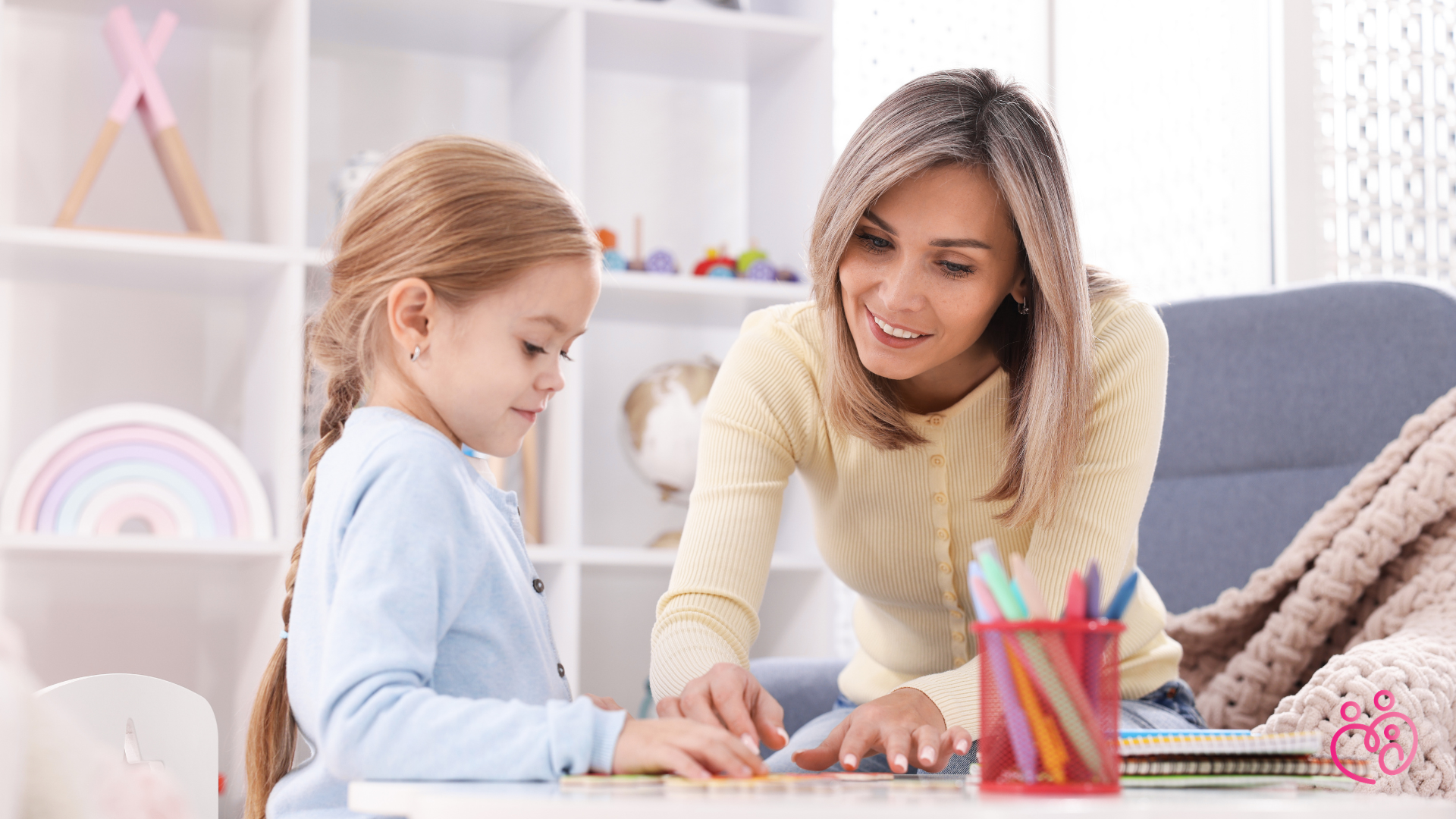
Learning is often approached with good intentions.
We want our children to improve.
To keep up.
To build skills that will help them over time.
But in many homes, learning slowly becomes one of the more stressful parts of the day.
Practice turns into resistance.
Help turns into correction.
Progress begins to feel slower, not faster.
This month, we explored a different approach.
Not by removing structure.
But by reducing pressure.
When Learning Becomes Emotional
One of the most important shifts is recognizing that learning is not just about effort.
It is emotional.
When a child struggles with reading, practice, or a new skill, it often affects how they see themselves.
A small mistake can feel like failure.
A correction can feel like judgment.
Over time, this changes how they respond to learning.
Avoidance becomes more common.
Frustration builds faster.
And what should feel like progress begins to feel heavy.
Why Pressure Slows Progress
It may seem like more guidance or correction would help.
But in many cases, pressure does the opposite.
When confidence drops, children are less likely to engage.
When they feel evaluated, they take fewer risks.
When learning feels stressful, they try to avoid it altogether.
Progress does not stop because they cannot learn.
It slows because the experience no longer feels safe.
Small Shifts That Make Learning Feel Lighter
Throughout the month, we focused on a few simple shifts:
Prioritizing consistency over intensity
Allowing space for mistakes
Reducing real-time correction
Keeping sessions short and predictable
These are not dramatic changes.
But they reduce friction.
And when friction is lower, learning tends to feel more natural.
Disclosure: This post contains affiliate links. If you purchase through our links, we may earn a small commission at no extra cost to you. We only recommend products we genuinely believe in for your family.
When Structure Helps (Without Adding Pressure)
In some cases, structure can actually reduce tension.
Not rigid structure.
But clear, guided steps that remove guesswork.
For example, some parents find that structured reading programs help reduce frustration by making progress feel more predictable.
An option that some families explore is a phonics-based program designed to guide children step by step at home:
It is not the only way to support reading.
But for some families, having a clear path makes the process feel less overwhelming.
When Practice Feels Too Heavy
This same pattern shows up in other areas, like music or skill-building.
Children often start with interest.
But when progress slows, frustration builds quickly.
At that point, pushing harder usually makes things worse.
Instead, some families shift toward approaches that allow children to move at their own pace.
One example is a self-paced music learning program:
Again, this is simply one option.
What matters most is helping the child stay engaged without feeling pressured.
Confidence Matters More Than Speed
One of the biggest takeaways this month is this:
Faster progress is not always better progress.
When a child feels confident, they continue.
When they feel understood, they try again.
When learning feels safe, they stay engaged.
These are the conditions where growth happens over time.
A Quiet Continuation
There will always be moments in family life where something that should feel simple starts to feel heavy.
Learning is just one of them.
Each month, we take one pattern and look at it more closely. Not to solve everything at once, but to make it feel a little more manageable.
If this month feels relevant to your home, you can revisit it anytime. And when you are ready, we will continue with another everyday challenge that many families quietly navigate.